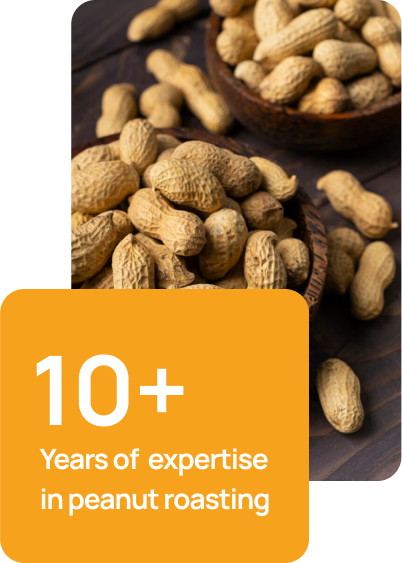
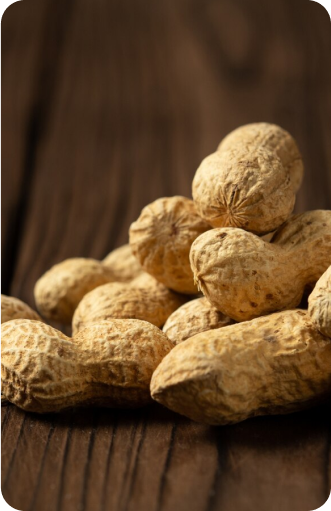
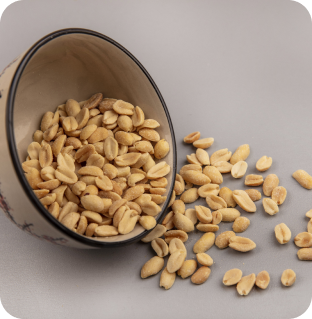
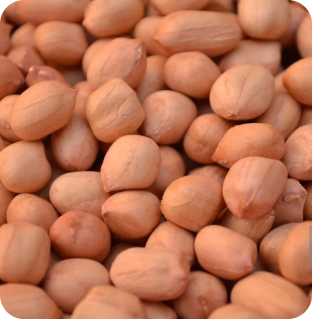
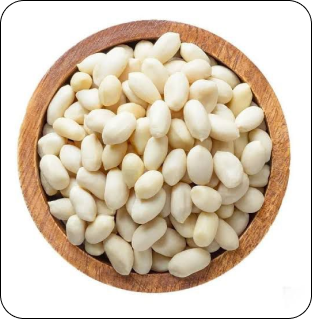
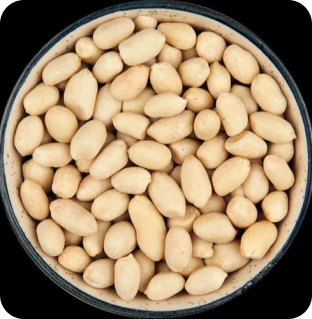
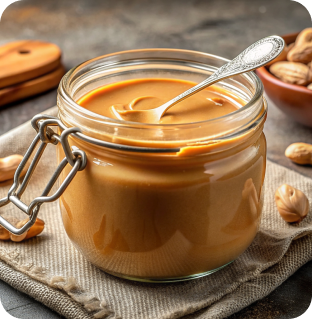
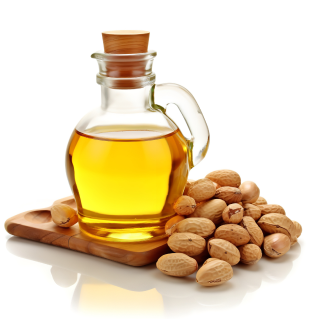
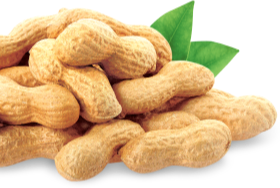
Peanut butter is a creamy or chunky spread made from roasted peanuts, offering a rich and savory flavour that’s loved across the globe. It's not just a breakfast staple—this versatile spread is used in everything from sandwiches to smoothies, desserts to savory dishes.While plain peanut butter is a classic favorite, flavoured versions are gaining popularity, catering to diverse tastes and preferences. Let’s dive into everything you need to know about peanut butter, from its composition to its varieties and health benefits.
What is Peanut Butter?
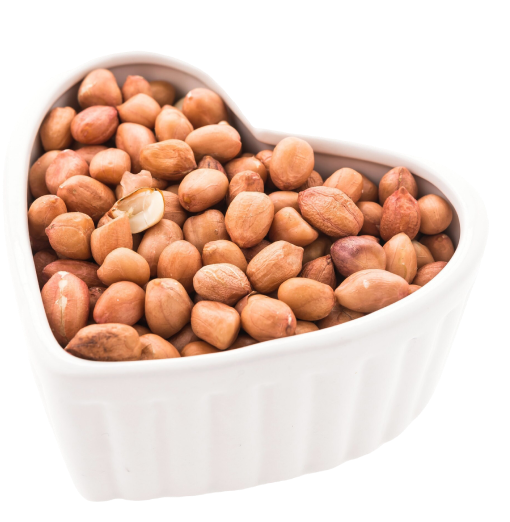
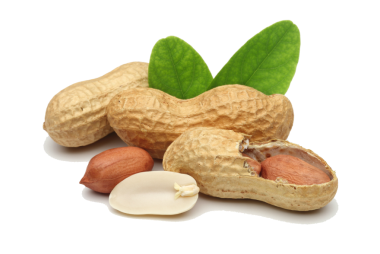
Peanut butter is made by grinding roasted peanuts into a paste. The process typically involves roasting the peanuts to bring out their rich, nutty flavour, then blending them until smooth or chunky. Many commercial brands add ingredients like salt, sweeteners, and stabilizers to enhance flavour, texture, and shelf life. Some brands even add oils, such as palm or hydrogenated oils, to improve creaminess and prevent separation of the peanut oils. But there are also healthier, more natural versions that feature 100% peanuts with no added ingredients.
Types of Peanut Butter
Peanut butter comes in various forms, with different textures, ingredients, and health benefits:
Plain Peanut Butter:
- Composition: The primary ingredient is ground roasted peanuts, but optional additives can include salt, sweeteners (like sugar or honey), and stabilizers to maintain consistency and prevent oil separation.
- Types
- Natural Peanut Butter: Made with 100% peanuts, no added stabilizers or sugar, but may experience oil separation, which can be stirred back into the spread.
- Regular/Commercial Peanut Butter: Contains added sugar, salt, and stabilizers to enhance flavour and consistency. It’s more resistant to oil separation than natural peanut butter.
- Organic Peanut Butter: Made with organically grown peanuts and natural sweeteners, offering a healthier, chemical-free option.
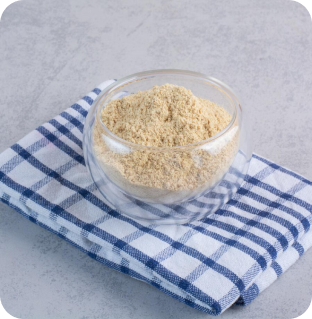
- Powdered Peanut Butter: This is defatted peanut powder, often used in smoothies, baked goods, or as a lower-calorie alternative to traditional peanut butter.
- Textural Variants:
- Creamy Peanut Butter: Smooth and uniform, this variant is perfect for spreading and baking.
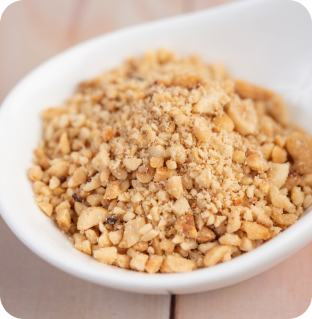
- Chunky/Crunchy Peanut Butter: Contains pieces of peanuts for a more textured,crunchy experience.
- Health-Oriented Variants:
- High-Protein Peanut Butter: Fortified with whey or plant-based protein for those seeking to boost their protein intake.
- Low-Sugar Peanut Butter: Sweetened with alternatives like stevia or monk fruit, this variant caters to those reducing sugar consumption.
- Omega-3 Peanut Butter: Enriched with flaxseed or chia seeds, offering additional health benefits like improved heart health.
Health Benefits of Peanut Butter
Peanut butter is not just delicious; it also offers several nutritional benefits, making it a satisfying and wholesome choice:
Rich in Protein:With 7–8 grams of protein per 2-tablespoon serving, peanut butter is a great source of plant-based protein, supporting muscle repair and satiety.
Healthy Fats:It contains monounsaturated fats, which are heart-healthy fats that can help improve cholesterol levels and reduce the risk of cardiovascular disease.
Fiber-Rich:Peanut butter provides dietary fiber, which helps with digestion and promotes gut health.
Micronutrient-Rich:Peanut butter is a good source of essential vitamins and minerals, including vitamin E (an antioxidant), niacin (important for metabolism), magnesium, and potassium (vital for muscle and nerve function).
Energy Booster: Due to its balance of protein, fat, and carbohydrates, peanut butter provides sustained energy, making it a perfect snack to keep you going throughout the day.
Nutritional Profile (Per 2 Tbsp, ~32g) of Plain Peanut Butter
- Calories: ~190–200
- kcal Protein: ~7–8g
- Fat: ~16g
- Saturated Fat: ~2.5g
- Unsaturated Fat: ~13.5g
- Carbohydrates: ~6g
- Fiber: ~2g
- Sugar: ~2–3g
- Micronutrients:
- Vitamin E, Niacin, Magnesium, Potassium
- Rich in antioxidants
Flavoured Peanut Butter Variants
In recent years, flavoured peanut butter has gained popularity, offering unique taste experiences for those who love variety. These flavours enhance the natural sweetness of peanut butter and are perfect for both spreads and creative culinary applications.
Chocolate Peanut Butter:Mixed with cocoa powder or melted chocolate, this variant is perfect for dessert spreads, smoothies, or even as a dip.
Honey Peanut Butter: Sweetened with natural honey, this peanut butter has a floral sweetness and a smooth, creamy texture, making it ideal for spreading on toast or drizzling over pancakes.
Vanilla Peanut Butter: Blended with vanilla extract or vanilla bean, this version offers a mild, creamy sweetness that’s great for dessert applications.
Salted Peanut Butter: Enhanced with sea salt, this peanut butter has a bold, savory flavour that pairs wonderfully with crackers, pretzels, or even as a savory sauce ingredient.
Salted Caramel Peanut Butter: A delightful combination of caramel flavour and sea salt, perfect as a topping or for use in sweet and salty snacks.
Hazelnut Peanut Butter: Blended with hazelnuts, this peanut butter has a Nutella-inspired flavour, offering a rich, indulgent spread.
Coconut Crunchy Peanut Butter: Mixed with toasted coconut flakes and crunchy peanuts, this tropical-flavoured peanut butter adds an exciting texture and flavour.
Almond Peanut Crunch: Featuring almond pieces along with roasted peanuts, this double-nut delight adds an extra layer of texture and flavour.
Storage and Shelf Life of Peanut Butter
Proper storage is essential to maintain the flavour and quality of peanut butter:
Storage: Peanut butter should be stored in a cool, dry place, away from direct sunlight. Natural peanut butter, which may separate over time, often requires stirring and refrigeration to prevent oil from rising to the top. Commercial peanut butter, with added stabilizers, generally does not require refrigeration and stays smooth for a longer period.
Shelf Life: The shelf life of peanut butter varies depending on the type. Commercial peanut butter can last up to 6 months in a pantry, while natural peanut butter may have a shorter shelf life, typically 3 to 6 months. Flavoured peanut butters, depending on their additives, may have a shorter shelf life and should be consumed within a few months of opening.
Market Trends: Peanut Butter's Growing Popularity
Peanut butter is a staple in many Western diets, and its popularity is expanding to other regions, especially in Asia, where consumers are becoming more aware of its nutritional benefits. The demand for healthier and more natural products has led to a rise in organic and high-protein peanut butter variants. Additionally, innovative flavoured peanut butters are gaining traction, offering new and exciting options for peanut butter lovers.
Convenient packaging, such as single-serve packets, squeezable pouches, and jars, has made peanut butter even more accessible and convenient for busy consumers.